

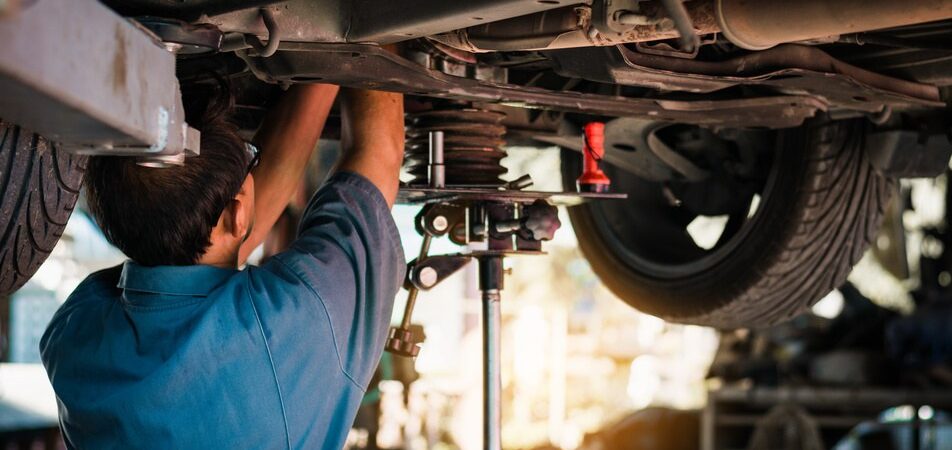
Suspension Maintenance: How to Keep Your Ride Smooth and Safe
Your vehicle’s suspension system is one of the most important components affecting your comfort, safety, tyre life, and overall driving experience. Yet, for many car owners, suspension maintenance is often overlooked until major symptoms appear—such as bumps feeling harsher, the car leaning on turns, or tyres wearing out unevenly.
This comprehensive guide from Wizard Tyres explains everything you need to know about suspension upkeep, common warning signs, maintenance intervals, and expert tips to keep your ride smooth, stable, and safe on the road.
What Is a Car Suspension System and Why Does It Matter?
A suspension system is made up of several components that work together to:
- Absorb bumps on the road
- Maintain traction and stability
- Improve handling and steering response
- Reduce tyre wear
- Keep the car level during acceleration and braking
When these components work correctly, your car glides smoothly over uneven roads, corners safely, and brakes efficiently. When they’re worn or damaged, your comfort and safety are at risk.
How Often Should You Inspect Your Suspension?
A general guideline:
- Every 20,000–30,000 km: Basic suspension check
- Every service interval (10,000–15,000 km): Visual inspection for leaks or wear
- Every 80,000–100,000 km: Consider replacing shocks/struts
- Immediately: If the car drives differently than normal
Suspension components do not usually fail all at once—they wear gradually. Regular inspections can prevent expensive repairs and reduce tyre damage.
Common Signs Your Suspension Needs Attention
Ignoring early warning signs can lead to bigger problems. Here’s what to look for:
1. A Rough or Bumpy Ride
If your car starts feeling every bump in the road, the shocks or struts may be worn out. These parts absorb road impacts, and once they fail, the ride becomes noticeably harsh.
2. Car Pulling to One Side
This may indicate:
- Worn suspension components
- Poor wheel alignment
- Uneven tyre pressure
- Damaged control arm or bushings
Pulling to one side reduces control and increases tyre wear.
3. Nose Diving When Braking
When the front of the car dips forward sharply during braking, it’s a major sign of worn shocks or struts. This increases braking distance and reduces safety.
4. Excessive Body Roll on Turns
If your car leans too much when cornering, you may have issues with:
- Sway bar links
- Shocks
- Springs
- Bushings
This affects stability and can make the car harder to control.
5. Uneven or Rapid Tyre Wear
Suspension problems often cause:
- Inner-edge tyre wear
- “Cupping” (scalloped tyre edges)
- Bald patches
Tyres wearing out early are often a sign of poor suspension health.
6. Oily or Leaking Shock Absorbers
If shocks or struts are leaking oil, they’re no longer functioning properly and must be replaced.
7. Clunking, Rattling, or Knocking Sounds
Noises over bumps usually indicate problems such as:
- Worn bushings
- Damaged ball joints
- Loose sway bar links
Ignoring these sounds can lead to dangerous component failures.
How Suspension Wear Affects Safety
Driving with a faulty suspension can cause:
- Increased braking distance
- Reduced control in emergencies
- Poor stability at high speeds
- Steering difficulty
- Faster tyre wear
- Greater risk of skidding in wet conditions
A weak suspension affects the entire vehicle—not just comfort.
DIY Suspension Checks You Can Do at Home
Here are some simple checks:
1. Perform the Bounce Test
Push down firmly on each corner of the car and release.
- If it bounces more than 1–2 times, the shocks may be worn.
2. Inspect Tyre Wear Patterns
Check for:
- Cupping
- One edge wearing out faster
- Uneven tread depth
These are classic signs of suspension issues.
3. Look for Leaks
Inspect the shocks for oil streaks or wetness.
4. Listen for Noises When Turning or Driving Over Bumps
Unusual sounds = early symptom of component failure.
Professional Suspension Maintenance: What Mechanics Check
A proper suspension inspection typically includes:
- Shock and strut condition
- Spring tension
- Control arm wear
- Ball joint looseness
- Bushings cracking or splitting
- Sway bar link movement
- Wheel alignment
- Tyre wear analysis
Mechanics also test-drive the vehicle to hear sounds and feel how the car behaves under load.
The Benefits of Regular Suspension Maintenance
Improved ride comfort
Smooth driving with less vibration.
Increased vehicle safety
More control, especially at high speeds or emergency braking.
Longer tyre life
Less uneven wear saves hundreds of dollars.
Better fuel economy
Poor alignment or suspension increases drag and fuel usage.
Cheaper long-term repairs
Early detection prevents costly component failures.
When Should You Replace Shocks or Struts?
Replace your shocks or struts if:
- They are leaking.
- Car bounces excessively
- Ride feels unstable
- Braking feels longer
- Tyres show cupping
- Vehicle is difficult to steer
On average, shocks last 80,000–100,000 km, but rough roads can reduce lifespan.
Tips to Extend Your Suspension Lifespan
Avoid potholes and rough roads
Even small impacts shorten shock life.
Don’t overload your vehicle
Extra weight strains springs and shocks.
Maintain proper tyre pressure
Over- or under-inflated tyres damage suspension components.
Rotate tyres regularly
Rotation balances load and reduces suspension stress.
Get wheel alignment every 10,000–20,000 km
Keeps the car driving straight and reduces wear.
Get regular inspections
Catch issues early.
What Happens If You Ignore Suspension Problems?
Ignoring symptoms can cause:
- Dangerous loss of control
- Increased braking distance
- Broken springs
- Blown shocks
- Wheel alignment damage
- Severe tyre wear
- Costly repairs
- Higher accident risk
Your suspension is not just about comfort—it’s a major safety system.
Should You Repair or Replace Suspension Parts?
Repair if:
- Only bushings or links are worn
- Minor alignment adjustments needed
Replace if:
- Shocks/struts are leaking
- Springs are sagging
- Ball joints are loose
- Control arms are cracked
Your mechanic will recommend the safest option.
Conclusion
Your suspension system plays a crucial role in every aspect of driving—from comfort to safety. Staying proactive with inspections, understanding common warning signs, and replacing worn components early can help you avoid costly repairs and stay safe on the road.
If your car feels different, handles poorly, or shows unusual tyre wear, get your suspension checked immediately at Wizard Tyres.